How aspirin works
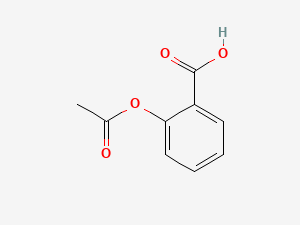
Aspirin acetylates cyclooxygenase enzymes, reducing production of some prostaglandins. Its chemistry connects a small molecule with enzyme activity.
 Learn from the source

Follow the link between molecular structures, biological targets, and medical discovery. Explore a card, then rotate its molecule.
Aspirin acetylates cyclooxygenase enzymes, reducing production of some prostaglandins. Its chemistry connects a small molecule with enzyme activity.
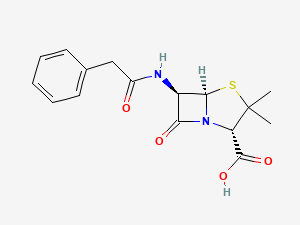
Learn from the sourceDifferent antibiotic classes target different bacterial processes. Penicillin G interferes with bacterial cell-wall synthesis; antibiotics do not treat viral infections.
 Learn from the source
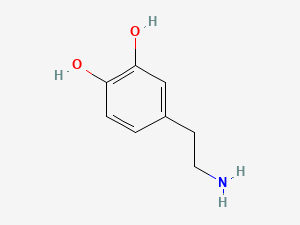
A protein’s binding site has a particular three-dimensional environment. Molecular shape, charge, and stereochemistry influence binding; a formula alone is not enough.
 Learn from the source
Local anesthetics can block voltage-gated sodium channels. General anesthesia affects brain signaling through multiple targets, and different drugs have different mechanisms.
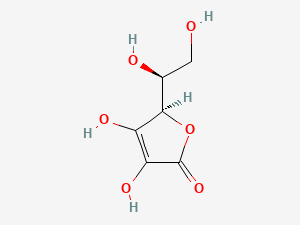
Learn from the sourceVitamin C participates in enzyme chemistry important for collagen formation. Vitamins have different functions; more is not automatically better.
 Learn from the source
Insulin is a peptide hormone. Receptor signaling helps some cells take up glucose and helps regulate how nutrients are used and stored.
 Learn from the source
MRI uses magnetic fields and radiofrequency signals, commonly involving hydrogen nuclei. CT uses X-rays; nuclear medicine uses tracers. These are different physical methods.
 Learn from the source
Scientists compare candidate molecules, test activity and safety, and study absorption and metabolism. A promising structure is only the start of a long evidence-based process.
 Learn from the source
Loading the interactive molecular viewer…
Science education, not personal medical advice. This section does not provide doses or treatment recommendations.